Маскулинные, фемининные и андрогинные характеристики героев и образов гор в тувинском фольклоре
DOI:
https://doi.org/10.25178/nit.2026.1.4EDN:
https://elibrary.ru/LHYXTXКлючевые слова:
тувинцы, тувинский фольклор, маскулинное, фемининное, андрогинное, гора, культ горы, легенда, героическое сказаниеАннотация
В статье анализируются аспекты маскулинности, фемининности и андрогинности в характеристиках героев и образов гор в тувинском фольклоре. Исследование опирается на анализ текстов тувинских мифов, легенд, героических сказаний («Хунан-Кара» и «Боктуг-Кириш и Бора-Шэлей»), а также привлекает широкий спектр этнографических, мифологических и фольклорных источников.
Систематизировав основные общие образы и функции гор в тувинском фольклоре, авторы выявили и структурировали те смысловые комплексы, которые отражают традиционные модели мужского и женского поведения, а также проявления андрогинности в сюжетах, архетипах и ритуальных практиках тувинцев. Авторы проанализировали, каким образом маскулинные черты (силы, доминирования, покровительства) и фемининные аспекты (упорядочивание, забота, плодородие) проявляются как в антропоморфных героях, так и в символических повествовательных функциях самих гор.
Особое внимание уделено тому, как в эпосе, устных нарративах и обрядовой поэзии формируются андрогинные качества персонажей — преодоление дихотомии мужского и женского начал, синкретизм качеств и наличие посреднических фигур. Статья также затрагивает вопросы динамики гендерных представлений в контексте взаимодействия архаических, шаманских пластов и современных трансформаций, раскрывая роль гор как пространств формирования и воспроизводства гендерной идентичности в тувинском культурном поле.
Таким образом, работа позволяет не только пересмотреть устоявшиеся представления о роли горы в этническом сознании, но и предложить оригинальный ракурс в изучении фольклорных гендерных стереотипов и их художественно-символической трансформации.
Библиографические ссылки
Аминев, З. Г. (2011) Отголоски культа гор у башкир // Республика Хакасия как субъект Российской Федерации: материалы Всероссийской научно-практической конференции, посвященная 20-летию образования Республики Хакасия (23–24 июня 2011 г.) / редколлегия: В. И. Цыганок и др. Абакан : Типография ООО «Технопарк». 384 с. С. 269–277.
Айыжы, Л. В., Базырчап, А. О. (2014) История изучения культа природы у тувинцев в дореволюционный период // Вестник Чувашского государственного педагогического университета им. И. Я. Яковлева. № 1. С. 3–11.
Байсклан, С. М. (1987) Поэтика тувинского героического эпоса. Кызыл : Тувинское книжное издательство. 72 с.
Базырчап, А.-Х. О., Конгу А. А. (2020) Представления о злых духах у тувинцев // Вестник НГУ. История, филология. Т. 19. № 3. Археология и этнография. С. 134–146. DOI: https://doi.org/10.25205/1818-7919-2020-19-3-134-146
Вайнштейн, С. И. (1991) Мир кочевников Центра Азии. М. : Наука. 296 с.
Васильев, В. Е. (2017) Истоки тенгрианства: от культа гор до культа Неба // Северо-Восточный гуманитарный вестник. № 2 (19). С. 40–48.
Владимирова, Т. Е. (2023) О мифах, легендах и преданиях Тувы с позиций металингвистики // Сибирский филологический журнал. № 4. С. 35–48.
Гайсина, Ф. Ф. (2018) Культ горы в башкирском фольклоре // Современная наука: актуальные проблемы теории и практики. Серия: Гуманитарные науки. № 9. С. 104–108.
Гребнев, Л. В. (1960) Тувинский героический эпос. М. : Изд-во Восточной литературы. 148 с.
Грошовкина, Н. А. (2015) Гендерный потенциал андрогинности // Вестник Воронежского государственного университета. Серия: Философия. № 4 (18). С. 123–129.
Игиссинова, А., Мамырханова, З. (2023) Cтереотипы маскулинности в казахской культуре // Eurasian Journal of Philology. Science and Education. Т. 191. № 3. С. 13–21.
Исмаилов, Г. М. (2017) Лингвокультурологическое исследование гендерного стереотипа тюркской фразеологии (на материале узбекского, казахского и каракалпакского языков) // Вестник Российского университета дружбы народов. Серия: Вопросы образования: языки и специальность. Т. 14. № 1. С. 85–92. DOI: https://doi.org/10.22363/2312-8011-2017-14-1-85-92
Каташ, С. (1978) Мифы, легенды Горного Алтая (мифы, легенды, предания, благопожелания). Горно-Алтайск : Горно-Алтайское отделение Алтайского книжного издательства. 112 с.
Кирилина, А. В. (1999) Гендер: лингвистические аспекты. М. : Ин-т социологии РАН. 189 с.
Кнорозова, Е. Ю. (2016) Тема андрогинности в традиционных религиозно-мифологических представлениях вьетнамцев // Вестник Новосибирского государственного университета. Серия: История, филология. Т. 15. № 10. С. 62–67.
Колягийн, Д. (2021) К вопросу о культурном наследии тюрков в Монголии и его защите // Бюллетень Калмыцкого научного центра РАН. № 1. С. 54–65.
Конунов, А. А. (2010) Отражение культа гор в алтайских героических сказаниях // Мировоззрение населения Южной Сибири и Центральной Азии в исторической ретроспективе. № 4. С. 335–341.
Куулар, Д. С. (1959) О тувинских легендах и преданиях // Ученые записки ТНИИЯЛИ. Вып. 7. Кызыл : б. и. С. 134–142.
Куулар, Д. С. (2002) История и современность. Сборник трудов по фольклору и литературе. Кызыл : Тувинское книжное издательство. 144 с.
Ламажаа, Ч. К. (2025) Тюркский культурный мир России: локусы, проблемы и перспективы изучения // Новые исследо¬вания Тувы. № 3. С. 371–388. DOI: https://doi.org/10.25178/nit.2025.3.22
Ламажаа, Ч. К., Сувандии, Н. Д., Монгуш, А. В. (2023) Святое в тувинской культуре: прошлое и современность // Новые исследования Тувы. № 3. С. 220–241. DOI: https://doi.org/10.25178/nit.2023.3.14
Лиморенко, Ю. В. (2016) Издание несказочной прозы в серии «Памятники фольклора народов Сибири и Дальнего Востока»: методика и принципы // Языки и фольклор коренных народов Сибири. № 2 (31). С. 11–15.
Львова, С. Д. (2021) Сравнения в якутском и тувинском эпосах: общее и специфичное // Новые исследования Тувы. № 1. С. 202–216. DOI: https://doi.org/10.25178/nit.2021.1.11
Мижит, Л. С. (2009) Тройственные образы в мифологии и фольклоре тувинцев // Новые исследования Тувы. № 4. С. 173–188.
Мижит, Э. Б. (2011) Традиционная космология в тувинском героическом эпосе // Российская тюркология. № 1(4). С. 78–81.
Монгуш, А. М. (2019) Мужчина в гендерных взаимодействиях в традиционном тувинском обществе // Genesis: исторические исследования. № 6. С. 19–26. DOI: https://doi.org/10.25136/2409-868X.2019.6.30122
Монгуш, А. М. (2021) Особенности трансформации роли мужчины в тувинском обществе // Известия Иркутского государственного университета. Серия Геоархеология. Этнология. Антропология. Т. 36. С. 37–49. https://doi.org/10.26516/2227-2380.2021.36.37
Мусабекова, У. А. (2016) Образ женщины в мифе, фольклоре, тюркской литературе (на материале тюркской культуры) // Вестник Тамбовского университета. Серия Филологические науки и культурология. Т. 2. № 4 (8). С. 35–41.
Ондар, М. В., Кошкендей, И. М., Хомушку, Ч. О. (2018) Топонимы в фольклоре тувинцев (на материале героического эпоса и народных песен) // Новые исследования Тувы. № 3. С. 53–68. DOI: https://doi.org/10.25178/nit.2018.3.4
Орус-оол, С. М. (2001) Тувинские героические сказания. М. : МАКС Пресс. 422 с.
Орус-оол, С. М. (2011) О тувинской фольклористике: основные направления развития // Российская тюркология. № 1(4). С. 53–62.
Орынбеков, М. С. (2013) Генезис религиозности в Казахстане. 2-е изд., перераб. и доп. Алматы : ИФПР КН МОН РК. 204 с.
Потапов, Л. П. (1946) Культ гор на Алтае // Советская этнография. № 2. С. 145–160.
Природа и человек в религиозных представлениях народов Сибири и Севера (вторая половина XIX — начало ХХ в.) (1976) / отв. ред. И. С. Вдовин. Ленинград : Наука, Ленинградское отделение. 336 с.
Розова, К. Е. (2014) Духи гор в традиции тюрков Южной Сибири: прагматические характеристики мифа и ритуала // Вестник РГГУ. Серия: Литературоведение. Языкознание. Культурология. № 6. С. 194–211.
Сагалаев, А. М. (1992) Алтай в зеркале мифа. Новосибирск : Наука, Сибирское отделение. 176 с.
Самдан, З. Б. (2003) Тувинские мифы и сказки: система образов и поэтико-стилевые особенности // Гуманитарные науки в Сибири. № 3. С. 95–102.
Самдан, З. Б. (2011) Избранные труды: Тувинская словесность: миф — сказка — литература. Абакан : ОАО «Журналист». 291 с.
Самдан, З. Б. (2012) Миф в системе исполнительской традиции тувинского повествовательного фольклора // Вестник Бурятского государственного университета. № 10. С. 204–209.
Семенов, А. В. (2010) Горные святилища Тывы // Вестник Санкт-Петербургского университета. История. № 4. С. 140–146.
Таирова, З. Ш. (2017) Гендерные идеалы в крымскотатарском фольклоре: андрогинный тип личности // Инновационная наука. Т. 2. № 3. С. 234–236.
Токтарова, Т. Ж. (2016) Культурные императивы в фольклоре: гендерный аспект // Научное обозрение. Педагогические науки. № 1. С. 63–65.
Топоров, В. Н. (2014) Мифология. Статьи для мифологических энциклопедий : в 2 т. М. : Языки славянской культуры ; Знак. Т. 1. 600 с.
Турсонов, Е. Д. (2001) Истоки тюркского фольклора. Алматы : Дайк-Пресс. 167 с.
Тхагапсоев, Х. Г. (2022) Развитие гендерологии на этнокультурной почве: проблемы и перспективы // Полилингвиальность и транскультурные практики. Т. 19. № 2 С. 308–321. DOI: https://doi.org/10.22363/2618-897X-2022-19-2-308-321
Урманчеев, Ф. И. (2015) Тюркский героический эпос: Сравнительно‐исторические очерки. Казань : Институт языка, литературы и искусства им. Г. Ибрагимова АН РТ. 448 с.
Dal Zovo, C. (2019) Sacred mountains, ancestors, and power: origin and development the veneration of Burhan Khaldun mountain in the Mongol Empire // Кочевые империи Евразии в свете археологических и междисциплинарных исследований: сб. науч. ст. IV международного конгресса средневековой археологии евразийских степей, посвященного 100-летию российской академической археологии (Улан-Удэ, 16–21 сентября 2019 г.) : в 2 кн. / отв. ред. Б. В. Базаров, Н. Н. Крадин. Улан-Удэ : Изд-во БНЦ СО РАН. Кн. 2. 182 с. С. 132–135.
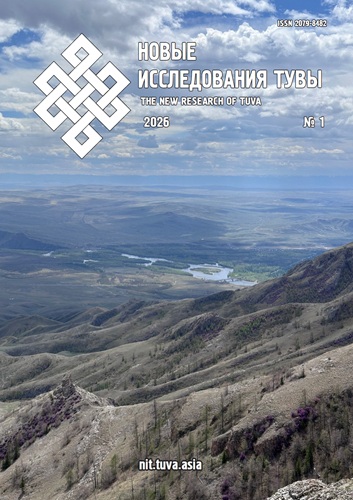
Загрузки
Опубликован
Выпуск
Раздел
Как цитировать
For citation:
Musabekova U. E. , Shaimerdenova N. Zh., Khudaiberdina D. A. Masculine, Feminine, and Androgynous Characteristics of Heroes and Mountain Images in Tuvan Folklore. New Research of Tuva, 2026, no. 1, pp. 83-104. (In Russ.). DOI: https://doi.org/10.25178/nit.2026.1.4
Биографии авторов
-
Улжан Есеновна Мусабекова Казахский национальный университет имени аль-Фараби

Доктор филологических наук, старший преподаватель кафедры языковой и общеобразовательной подготовки иностранцев Казахского национального университета имени аль-Фараби.
Адрес: 050000, Казахстан, г. Алматы, пр. аль-Фараби, д. 71.
Эл. адрес: u.mussabekova@mail.ru
-
Нурсулу Жамалбековна Шаймерденова Казахский национальный университет имени аль-Фараби

Доктор филологических наук, профессор, исполнительный директор Научно-исследовательского института алтаистики и тюркологии Казахского национального университета имени аль-Фараби.
Адрес: 050000, Казахстан, г. Алматы, пр. аль-Фараби, д. 71.
Эл. адрес: turkology.ri@gmail.com
-
Динара Азреталиевна Худайбердина Казахский национальный университет имени аль-Фараби

Докторантка кафедры русской филологии и мировых языков филологического факультета Казахского национального университета имени аль-Фараби.
Адрес: 050038, Казахстан, г.Алматы, пр. аль-Фараби, д. 71.
Эл. адрес: dinara.azretalievna@gmail.com
Поддерживающие организации
Лицензия
Copyright (c) 2026 Журнал "Новые исследования Тувы" (составление)

Это произведение доступно по лицензии Creative Commons «Attribution-NonCommercial» («Атрибуция — Некоммерческое использование») 4.0 Всемирная.

Автор (лицензиар) произведения предоставляет простую (неисключительную) лицензию на использование редакцией (лицензиатом) произведения науки, который заключается в упрощённом порядке (открытая лицензия), согласно ст. 1286.1. «Открытая лицензия на использование произведения науки, литературы или искусства» Гражданского кодекса Российской Федерации.
В нашем издании публикуемые материалы доступны по лицензии Creative Commons «Attribution-NonCommercial» («Атрибуция — Некоммерческое использование») — CC BY-NC.
Т. к. лицензия открытая, автор имеет право разместить статью после ее выхода на своем сайте, читатель может скопировать и разместить на своих персональных ресурсах, в том числе в виде выдержек, конспектов, но:
а) обязательно должно быть указано ФИО автора, неизмененное название статьи и гиперссылка на первоисточник (журнал «Новые исследования Тувы»),
б) размещающий не имеет права брать деньги за доступ к этому материалу или каким бы то ни было образом давать преимущество одним читателям над другими,
в) при перепечатке автором текста статьи без значительных изменений (если сохраняется 30% текста или более) должно быть указано, что первая редакция статьи вышла в журнале «Новые исследования Тувы» и сделана соответствующая ссылка.
Лицензия действует по всему миру, длится в течение срока авторских прав на произведение, является неотзывной.