Вопросы литературного мастерства в трудах М. А. Хадаханэ
DOI:
https://doi.org/10.25178/nit.2026.2.3Ключевые слова:
Мария Андреевна Хадаханэ, литературное мастерство, литературная критика, тувинская литература, тувинская поэзияАннотация
В статье анализируется многогранное творчество тувинского литературоведа, литературного критика М. А. Хадаханэ (1933–2021). Применение культурно-исторического подхода, социокультурного метода и историко-функционального анализа позволило охватить различные стороны ее деятельности, оценить ее вклад в развитие тувинской литературы и тувинской литературной критики. Результаты ее многогранной деятельности являются актуальными для изучения других национальных литератур народов постсоветского пространства.
Показано, что литературно-критические труды М. А. Хадаханэ отличает глубина, убедительность, точность. Она внимательно анализирует все элементы литературного мастерства прозаиков, в том числе умение достоверно нарисовать образы героев, логично организовать сюжеты художественных произведений, способствующие глубокому раскрытию характеров действующих лиц, развить свой узнаваемый стиль. Критик разбирала и элементы мастерства поэтов: умение создать образ лирического героя, способность выстроить сюжет стихотворения с использованием разнообразных средств художественного языка. Художественное мастерство поэтов она видит также в своеобразии и выразительности стиля, творческом владении поэтическим инструментарием. При раскрытии литературного мастерства критик указывала на особенную эстетическую ценность этноориентированных художественных приемов, адекватно отражающих традиционные основы жизни народа.
М. А. Хадаханэ объективно анализирует творчество писателей и поэтов, всегда наряду с творческими удачами и находками отмечает недостатки, тем самым способствуя развитию их литературного мастерства. Ценным свойством ее литературно-критических трудов является умение видеть творчество писателей и поэтов в развитии.
Труды М. А. Хадаханэ, посвященные анализу вопросов литературного мастерства, сохраняют теоретическую и практическую ценность для современного литературоведения и литературной критики, для исследования литератур тюркских народов.
Библиографические ссылки
Белкин, А. А. (1973) Художественное мастерство Чехова-новеллиста // Белкин А. А. Читая Достоевского и Чехова. М. : Художественная литература. 301 с. С. 173–220.
Белый, А. (1934) Мастерство Гоголя: Исследование. М. ; Л. : Гос. изд-во художественной литературы. 324 с.
Благой, Д. Д. (1955) Мастерство Пушкина. Вдохновенный труд. Пушкин — мастер композиции. М. : Советский писатель. 268 с.
Галиева, Л. Ш. (2025) Татарская литературная критика рубежа ХХ–ХХI вв. в контексте критической мысли родственных литератур народов Урало-Поволжья // Новые исследования Тувы. № 3. С. 166–181. DOI: https://doi.org/10.25178/nit.2025.3.11
Гинзбург, Л. Я. (1974) О лирике. Ленинград : Советский писатель, Ленинградское отделение. 408 с.
Донгак, У. А. (2025) Литературоведение в ТИГПИ // Учёные записки: Гуманитарная наука в Туве : К 80-летию ТНИИЯЛИ — ТИГПИ / ред. У. А. Донгак, О. Д. Натсак. Абакан : Хакасское книжное издательство им. В. М. Торосова. 360 с. С. 169–185.
Егоров, Б. Ф. (1980) О мастерстве литературной критики. Жанры, композиции, стиль. Л. : Советский писатель. 320 с.
Кожинов, В. В. (1980) Стихи и поэзия. М. : Советская Россия. 304 с.
Кольчикова, Н. Л., Прищепа, В. П. (2020) Этнопоэтический подход к изучению современной литературы Саяно-Алтая (на материале тувинской и хакасской поэзии) // Новые исследования Тувы. № 3. С. 210–227. DOI: https://doi.org/10.25178/nit.2020.3.15
Комбу, С. С. (2012) Хадаханэ Мария Андреевна // Тувинская литература: словарь / под ред. Д. А. Монгуша, М. Л. Трифоновой. Новосибирск : Наука. 360 с. С. 4.
Мижит, Л.С. (2022) Достижения тувинской литературы в советский период // Азиатские исследования: история и современность. № 1. С. 73–85. DOI: https://doi.org/10.24412/2782-6139-2022-1-73-85
Сильман, Т. И. (1977) Заметки о лирике. Ленинград : Советский писатель, Ленинградское отделение. 224 с.
Султанов, К. (2021) Переоткрывая эволюцию: национальные литературы между тавтологией и обновлением // Studia Litterarum. Т. 6. № 4. С. 42–67. DOI: https://doi.org/10.22455/2500-4247-2021-6-4-42-67
Татаринцева, М. П. (1983) Развитие литературно-критической мысли в Туве. Кызыл : Тувинское книжное издательство. 135 с.
Тобуроков, Н. Н. (2016) Пересмотр истории тувинской литературы // Новые исследования Тувы. № 1. С. 114–121.
Хадаханэ, М. А. (2020) Тувинские страницы. Кызыл : Изд-во ТувГУ. 217 с.
Чуковский, К. И. (2012) Мастерство Некрасова. Статьи// Чуковский, К. И. Сочинения : в 15 т. М. : Агентство ФТМ, Лтд. Т. 10. 736 с. С. 17–624.
Загрузки
Опубликован
Выпуск
Раздел
Как цитировать
For citation:
Ibraeva A. S., Bayanbayeva Zh. B., Dzholdasbekova B. U. and Muminov S. O. Issues of Literary Craftsmanship in the Works of M. A. Khadakhane. New Research of Tuva, 2026, no. 2, pp. 37-51. (In Russ.). DOI: https://doi.org/10.25178/nit.2026.2.3
Биографии авторов
-
Алия Сериккановна Ибраева Казахский национальный университет имени аль-Фараби
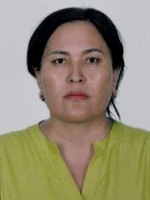
Докторант кафедры русской филологии и мировой литературы филологического факультета Казахского национального университета имени аль-Фараби.
Адрес: Казахстан, 050040, г. Алматы, пр-т Аль-Фараби, д. 71.
Эл. адрес: ibrayeva_aliya111@mail.ru
-
Жадыра Амангельдиевна Баянбаева Казахский национальный университет имени аль-Фараби
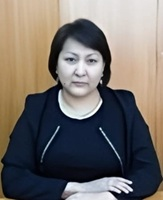
Кандидат филологических наук, старший преподаватель кафедры русской филологии и мировой литературы филологического факультета Казахского национального университета имени аль-Фараби.
Адрес: Казахстан, 050040, г. Алматы, пр-т Аль-Фараби, д. 71.
Эл. адрес: bayanbaevazhadra@mail.ru
-
Баян Умирбековна Джолдасбекова Казахский национальный университет имени аль-Фараби

Доктор филологических наук, профессор, декан филологического факультета Казахского национального университета имени аль-Фараби.
Адрес: Казахстан, 050040, г. Алматы, пр-т Аль-Фараби, д. 71.
Эл. адрес: dzoldasbekovab@gmail.com
-
Салахитдин Омирдинович Муминов Казахский национальный университет имени аль-Фараби
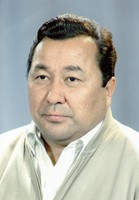
Кандидат педагогических наук, доцент кафедры русской филологии и мировой литературы филологического факультета Казахского национального университета имени аль-Фараби.
Адрес: Казахстан, 050040, г. Алматы, пр-т Аль-Фараби, д. 71.
Эл. адрес: s.muminov2012@yandex.ru
Лицензия

Это произведение доступно по лицензии Creative Commons «Attribution-NonCommercial» («Атрибуция — Некоммерческое использование») 4.0 Всемирная.
Автор (лицензиар) произведения предоставляет простую (неисключительную) лицензию на использование редакцией (лицензиатом) произведения науки, который заключается в упрощённом порядке (открытая лицензия), согласно ст. 1286.1. «Открытая лицензия на использование произведения науки, литературы или искусства» Гражданского кодекса Российской Федерации.
В нашем издании публикуемые материалы доступны по лицензии Creative Commons «Attribution-NonCommercial» («Атрибуция — Некоммерческое использование») — CC BY-NC.
Т. к. лицензия открытая, автор имеет право разместить статью после ее выхода на своем сайте, читатель может скопировать и разместить на своих персональных ресурсах, в том числе в виде выдержек, конспектов, но:
а) обязательно должно быть указано ФИО автора, неизмененное название статьи и гиперссылка на первоисточник (журнал «Новые исследования Тувы»),
б) размещающий не имеет права брать деньги за доступ к этому материалу или каким бы то ни было образом давать преимущество одним читателям над другими,
в) при перепечатке автором текста статьи без значительных изменений (если сохраняется 30% текста или более) должно быть указано, что первая редакция статьи вышла в журнале «Новые исследования Тувы» и сделана соответствующая ссылка.
Лицензия действует по всему миру, длится в течение срока авторских прав на произведение, является неотзывной.