Горные топонимы в «Топонимическом словаре» Б. К. Ондар
DOI:
https://doi.org/10.25178/nit.2026.1.2EDN:
https://elibrary.ru/UQJRPCКлючевые слова:
гора, топоним, топонимическая система, горный топоним, горный ороним, тувинский язык, Тува, топонимический словарь, Бичен Кыргысовна ОндарАннотация
Статья посвящена комплексному описанию и анализу горных топонимов Тувы, зафиксированных во втором издании «Топонимического словаря Тувы» Б. К. Ондар (2007), который рассматривается как фундаментальный источник по тувинской ономастике. Основная цель исследования заключается в выявлении структурных, семантических и этимологических особенностей горных оронимов, а также в установлении их распределения по административным районам республики.
Эмпирическую базу составляют 778 наименований гор, хребтов и перевалов, выделенных и систематизированных из общего массива топонимов словаря. Показано, что наибольшая концентрация горных топонимов наблюдается в таежных северных и западных районах Тувы (прежде всего Тоджинском, Барун-Хемчикском и Дзун-Хемчикском), что соотносится с природными условиями и традиционными видами хозяйственной деятельности местного населения. Районное распределение позволяет наглядно продемонстрировать плотность именования горных объектов.
С точки зрения типологии форм рельефа горные топонимы классифицируются по трем основным классам: «даг» ‘гора’, «сын» ‘хребет’, «арт» ‘перевал’, что отражает базовую морфологическую и морфометрическую дифференциацию ландшафта. Анализ лексико-семантического состава показал высокую продуктивность моделей с компонентами, обозначающими цвета, животных и птиц, части тела, а также числительные, которые кодируют важные для тувинцев представления о сакральности, пространственной организации и хозяйственном освоении территории. Особое внимание уделено выявлению монголизмов и тюркизмов в составе горных топонимов, что позволяет проследить контактные процессы и многослойность языковой истории региона.
Сделан вывод о том, что горные оронимы Тувы функционируют как устойчивые языковые маркеры природного пространства и культурной памяти, отражающие единство географического сознания разных районов республики.
Библиографические ссылки
Бадарч, Б., Бавуу-Сюрюн, М. В. (2018) Монголизмы в тувинских топонимах: сопоставительный анализ географических названий сумона Цэнгэл Баян-Улэгэйского аймака Монголии и Тувы // Новые исследования Тувы. № 3. С. 215–224. DOI: https://doi.org/10.25178/nit.2018.3.14
Бредис, М. А. (2023) Символика числа девять в тувинской лингвокультуре (на фоне ряда тюркских и монгольских языков) // Новые исследования Тувы. № 1. С. 228–242. DOI: https://doi.org/10.25178/nit.2023.1.13
Бредис, М. А., Бохао, С. (2023) Символика числа семь в тувинской лингвокультуре (на фоне ряда тюркских, монгольских и китайского языков) // Новые исследования Тувы. № 4. С. 274–289. DOI: https://doi.org/10.25178/nit.2023.4.19
Бредис, М. А., Ломакина, О. В., Борисова, А. С., Лазарева, О. В. (2022) Числовой код тувинской лингвокультуры в пословицах (на фоне ряда тюркских и монгольских языков народов России) // Новые исследования Тувы. № 4. С. 276–293. DOI: https://doi.org/10.25178/nit.2022.4.20
Бутанаев, В. Я. (1995) Топонимический словарь Хакасско-Минусинского края. Абакан : Хакасское книжное издательство. 267 с.
Грумм-Гржимайло, Г. Е. (1914) Западная Монголия и Урянхайский край. СПб. : Типография Главного Ботанического Сада. Т. 1. 584 с.
Дыбо, А. В., Байбосын, А. М., Кенжалин, К. К., Бегимова, Г. А., Абдуалиулы, Б., Хонинов, В. Н. (2024) Еще раз о монгольском языковом пласте в казахских топонимах // Вопросы ономастики. Т. 21, № 1. С. 27–71. DOI: https://doi.org/10.15826/vopr_onom.2024.21.1.002
Кара-оол, Л. С. (2018) Лексические особенности топонимов Овюрского района Тувы // Новые исследования Тувы. № 3. С. 162–189. DOI: https://doi.org/10.25178/nit.2018.3.11
Кара-оол, Л. С. (2019) Числительные в топонимах Тувы // Oriental Studies. № 4. С. 691–706. DOI: https://doi.org/10.22162/2619-0990-2019-44-4-691-706
Кенин-Лопсан, М. Б. (1995) Тыва хамнарныӊ алгыштары [Алгыши тувинских шаманов]. Кызыл : Новости Тувы. 528 с. (На тув. яз.).
Кенин-Лопсан, М. Б. (2021) Традиционная культура тувинцев. Кызыл : Тувинское книжное издательство. 248 с.
Кон, Ф. Я. (1934) За пятьдесят лет : в 3 т. М. : Издательство Всесоюзного общества политкаторжан и ссыльно-переселенцев. Т. 3. 296 с.
Конкашпаев, Г. К. (1959) Географические названия монгольского происхождения на территории Казахстана // Известия Академии наук Казахской ССР. Серия филологии и искусствоведения. Вып. 1. С. 85–98.
Крылов, П. Н. (1903) Путевые заметки об Урянхайской земле. СПб. : Типография императорской академии наук. 173 с.
Локальные особенности традиционной культуры жителей Эрзина (2018): (исследования и полевые материалы) / отв. ред. М. М.-Б. Харунова и др. Кызыл : б. и. 392 с.
Минцлова, К. Д. (1915) Далекий край. Путешествие по Урянхайской земле. Петроградъ : Типографія „Разсвѣтъ“. 200 с.
Мурзаев, Э. М. (1974) Очерки топонимики. М. : Мысль. 382 с.
Николаев, Е. Р. (2018) Топонимы с основой баш/бас в тувинском и якутском языках: лингвокультурологическая интерпретация // Новые исследования Тувы. № 3. С. 205–214. DOI: https://doi.org/10.25178/nit.2018.3.13
Ондар, Б. К. (2004) Топонимический словарь Тувы. Абакан : Издательство Хакасского государственного университета. 256 с.
Ондар, Б. К. (2007) Топонимический словарь Тувы. 2-е изд. Кызыл : Тувинское книжное издательство. 550 с.
Ондар, Б. К. (2008) Тувинская топонимия. Сопоставительный анализ топонимии Тувы с топонимами Южной Сибири и других тюркоязычных территорий. Кызыл : Тувинское книжное издательство. 296 с.
Потанин, Г. Н. (1881) Очерки Северо-Западной Монголии. СПб. : Типография В. Киршбаума, въ д. М-ва Фин., на Дворц. пл. Вып. II. 338 с.
Ритуальные ленты и флаги в тувинской культуре (2023) / под ред. Ч. К. Ламажаа и Н. Д. Сувандии. Кызыл : Изд-во ТувГУ. 195 с.
Сувандии, Н. Д. (2018) Вклад Бичен Кыргысовны Ондар в развитие топонимики Тувы // Новые исследования Тувы. № 3. С. 4–17. DOI: https://doi.org/10.25178/nit.2018.3.1
Сувандии, Н. Д. (2019) Топонимы-цветообозначения в тувинском языке // Новые исследования Тувы. № 4. С. 195–206. DOI: https://doi.org/10.25178/nit.2019.4.16
Татаринцев, Б. И. (1976) Монгольское языковое влияние на тувинскую лексику. Кызыл : Тувинское книжное издательство. 130 с.
Хертек, Л. К. (2018) Ведомость топонимики междуречья Алаш-Хемчик // Новые исследования Тувы. № 3. С. 225–241. DOI: https://doi.org/10.25178/nit.2018.3.15
Чугунекова, А. Н. (2019) Символика чисел в хакасском и тувинском языках (на материале фольклорных текстов) // Филологические науки. Вопросы теории и практики. Тамбов : Грамота. Т. 12. Вып. 11. С. 432–436. DOI: https://doi.org/10.30853/filnauki.2019.11.92
Frye, Ch., Sayre, R., Murphy, A. B., Karagülle, D., Pippi, M., Gilbert, M., Richards, J. W. (2023) Named Landforms of the World: A Geomorphological and Physiographic Compilation // Annals of the American Association of Geographers. 113:8, P. 1762–1780. DOI: https://doi.org/10.1080/24694452.2023.2200548
Tuimebayev, Z. K. (2024) Turkic-Mongolian Language Parallels in Comparative Historical Outline // Eurasian Journal of Applied Linguistics. Vol. 10 (3). P. 150-161. DOI: http://dx.doi.org/10.32601/ejal.10314
Загрузки
Опубликован
Выпуск
Раздел
Как цитировать
For citation:
Tuimebaev Zh. K., Mongush Sh. V. and Urazbayeva Zh. A. Mountain Toponyms in the “Toponymic Dictionary” by B. K. Ondar. New Research of Tuva, 2026, no. 1, pp. 37-59. (In Russ.). DOI: https://doi.org/10.25178/nit.2026.1.2
Биографии авторов
-
Жансеит Кансеитович Туймебаев Казахский национальный университет имени аль-Фараби
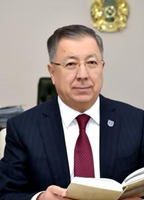
Доктор филологических наук, профессор, ректор Казахского национального университета имени аль-Фараби.
Адрес: Республика Казахстан, 050000, г. Алматы, пр. аль-Фараби, д. 71.
Эл. адрес: turkology.ri@gmail.com
-
Шенне Вадимовна Монгуш Тувинский государственный университет

Кандидат филологических наук, старший преподаватель кафедры тувинской филологии и общего языкознания Тувинского государственного университета.
Адрес: 667004, Россия, г. Кызыл, ул. Монгуш Сата, д. 9В. Тел.: 8-923-385-2242.
Эл. адрес: shenne2242@mail.ru
-
Жанат Арыстанбековна Уразбаева Казахский национальный университет имени аль-Фараби

Докторант кафедры русской филологии и мировой литературы филологического факультета Казахского национального университета имени аль-Фараби.
Адрес: Республика Казахстан, 050000, г. Алматы, пр. аль-Фараби, д. 71.
Эл. адрес: uzhana1@yandex.com
Лицензия
Copyright (c) 2026 Журнал "Новые исследования Тувы" (составление)

Это произведение доступно по лицензии Creative Commons «Attribution-NonCommercial» («Атрибуция — Некоммерческое использование») 4.0 Всемирная.

Автор (лицензиар) произведения предоставляет простую (неисключительную) лицензию на использование редакцией (лицензиатом) произведения науки, который заключается в упрощённом порядке (открытая лицензия), согласно ст. 1286.1. «Открытая лицензия на использование произведения науки, литературы или искусства» Гражданского кодекса Российской Федерации.
В нашем издании публикуемые материалы доступны по лицензии Creative Commons «Attribution-NonCommercial» («Атрибуция — Некоммерческое использование») — CC BY-NC.
Т. к. лицензия открытая, автор имеет право разместить статью после ее выхода на своем сайте, читатель может скопировать и разместить на своих персональных ресурсах, в том числе в виде выдержек, конспектов, но:
а) обязательно должно быть указано ФИО автора, неизмененное название статьи и гиперссылка на первоисточник (журнал «Новые исследования Тувы»),
б) размещающий не имеет права брать деньги за доступ к этому материалу или каким бы то ни было образом давать преимущество одним читателям над другими,
в) при перепечатке автором текста статьи без значительных изменений (если сохраняется 30% текста или более) должно быть указано, что первая редакция статьи вышла в журнале «Новые исследования Тувы» и сделана соответствующая ссылка.
Лицензия действует по всему миру, длится в течение срока авторских прав на произведение, является неотзывной.